Frequently Asked Questions
What kind of plants work best for landscaping in the 95667 and 95670 areas?
We prioritize "California-friendly" and native plants that thrive in our specific Mediterranean climate. For Rancho Cordova, we often use drought-tolerant species like Baby Blue Eyes (the official city flower) and Western Redbud. In the higher elevations of Placerville, we utilize mountain-hardy plants like Manzanita and Ceanothus that can handle both the summer heat and winter frost.
How can I make my landscape more fire-resistant?
We focus on "Fire-Safe Design" by creating fuel breaks and using fire-resistant plants with high moisture content. This includes implementing Zone 0 (the 5-foot ember-resistant zone) using non-combustible materials like river rock or flagstone. We also ensure proper horizontal spacing between shrubs to prevent the spread of flames across your yard.
Does Alta Vista offer drought-tolerant "Cash for Grass" conversions?
Yes. We specialize in removing thirsty turf and replacing it with water-wise landscapes. In Rancho Cordova, we can help you design a yard that qualifies for local water agency rebates by installing drip irrigation, permeable hardscapes (like decomposed granite), and native "pollinator" plants that require 70% less water than traditional lawns.
How do you protect native oak trees during a landscaping project?
Protecting the "drip line" of a native oak is our top priority. We avoid heavy machinery near the roots and ensure that no high-water plants or irrigation lines are placed directly under the canopy. This prevents root rot and ensures your heritage oaks remain a healthy, permanent part of your landscape.
Can you help with drainage and erosion control on sloped properties?
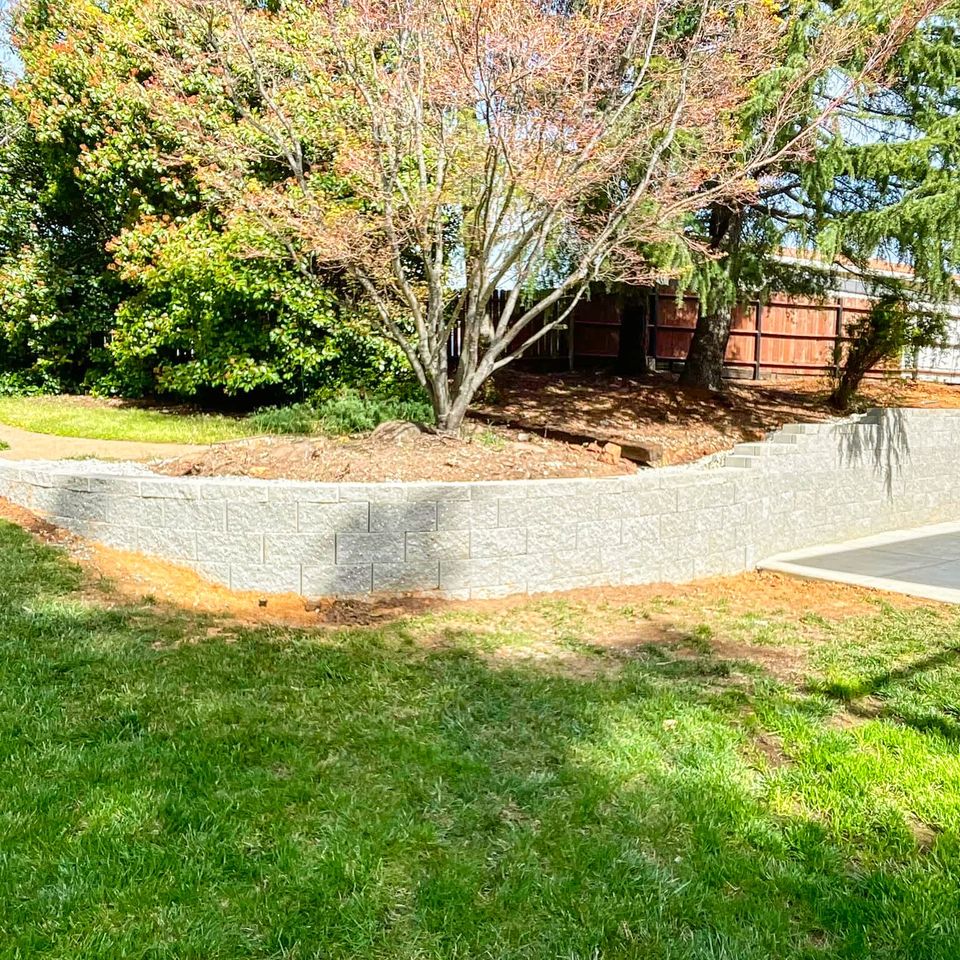
Absolutely. For the hilly terrain in Pollock Pines and Placerville, we use a combination of boulder retaining walls, native groundcovers, and French drains to manage runoff. This prevents topsoil loss during heavy Sierra storms and protects your home’s foundation from water damage.